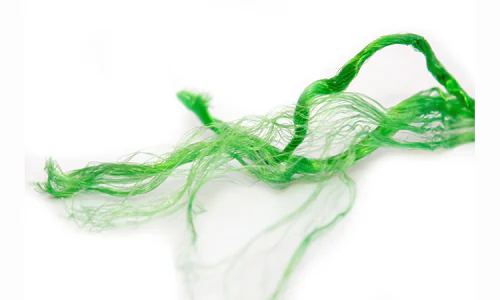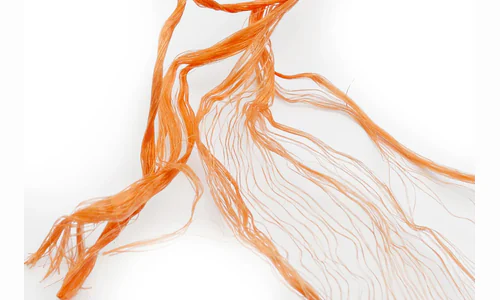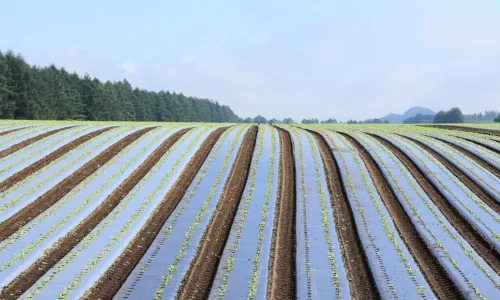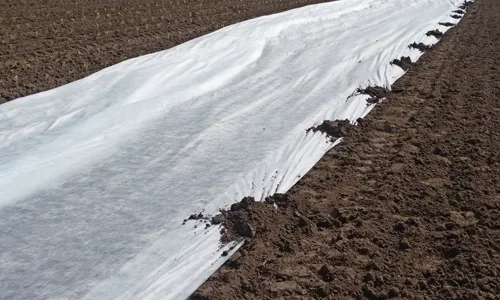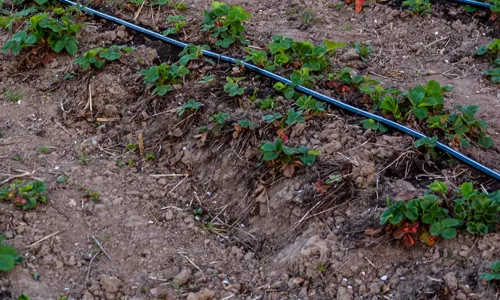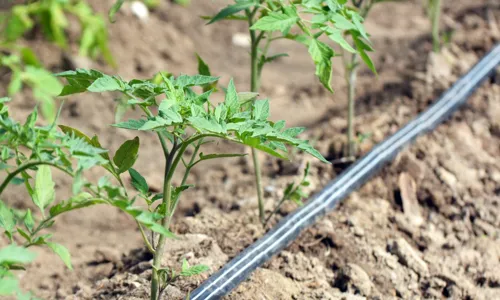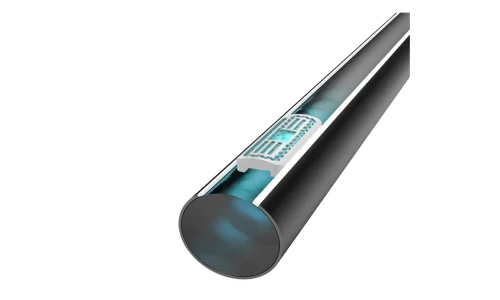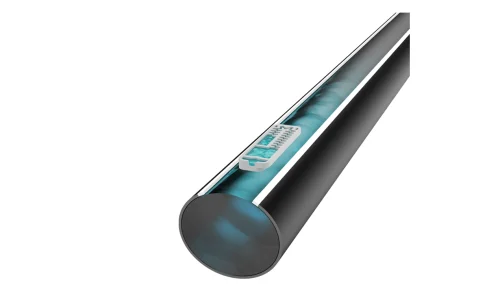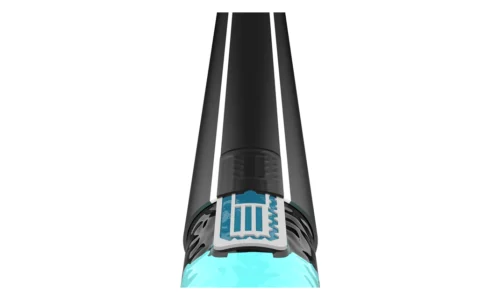

Mulch film for bed crops that is worked into the soil after the season instead of being recovered – degradable in the soil according to the manufacturer.
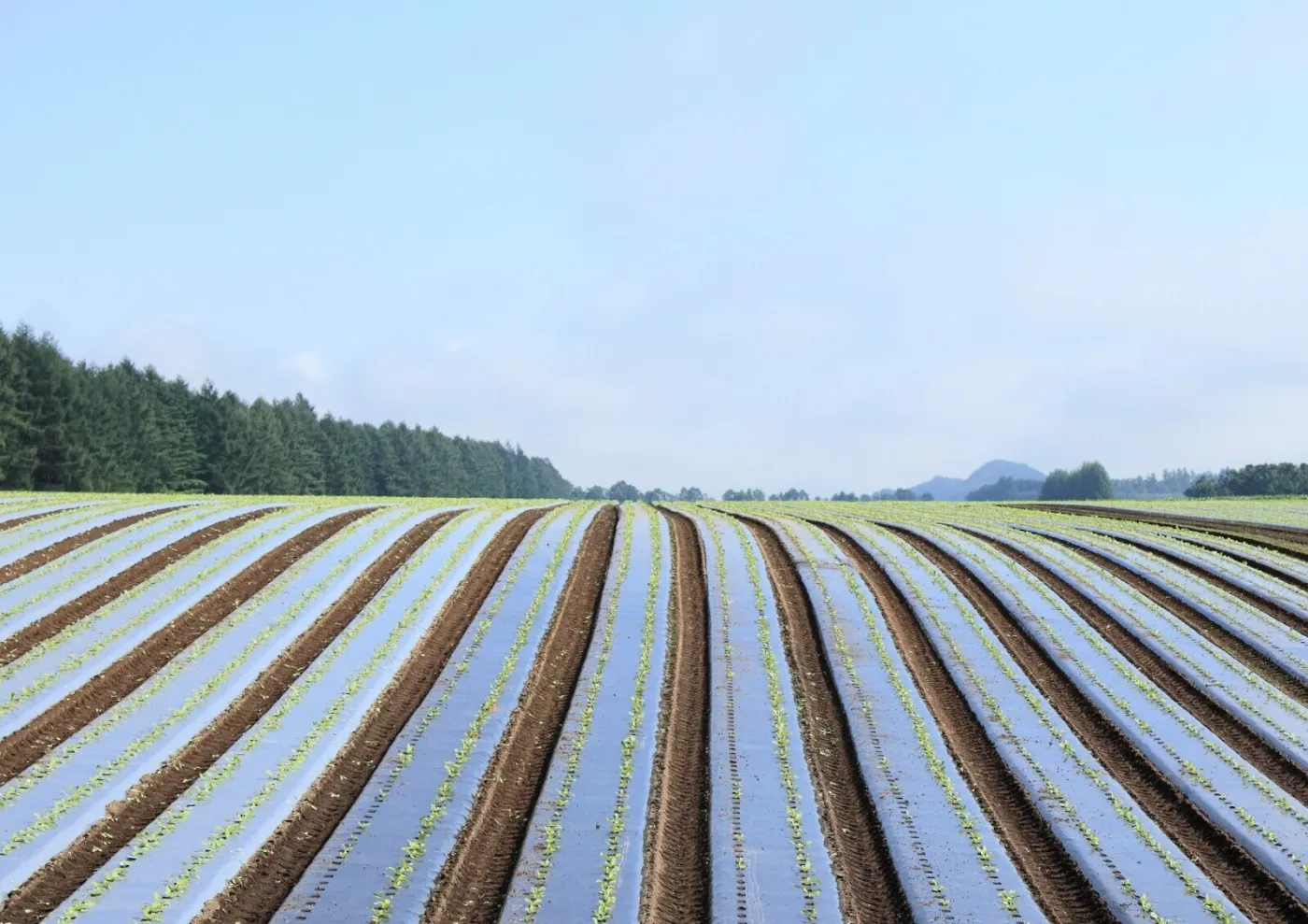
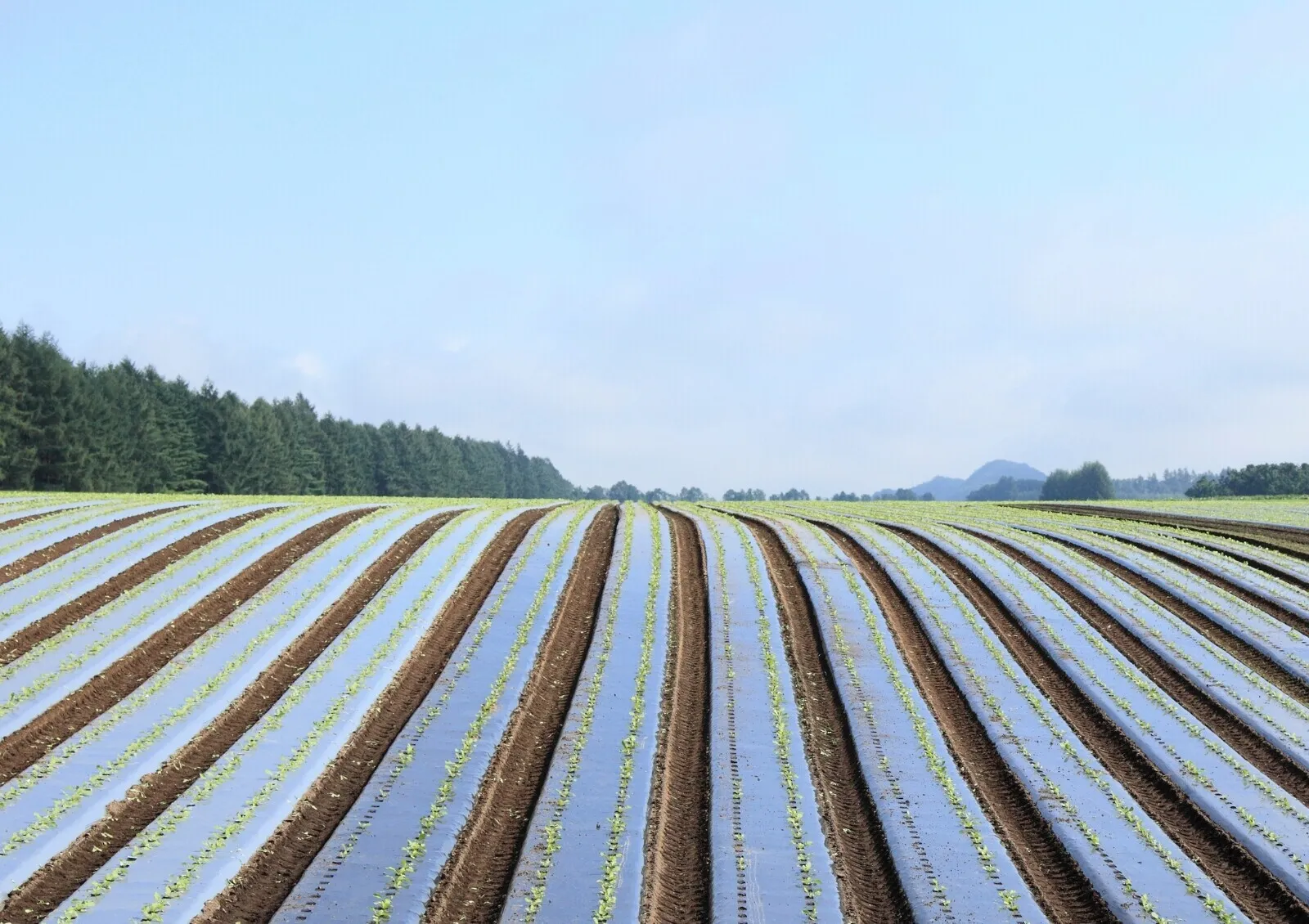
The bio mulch film is used in growing vegetables, fruit and ornamental plants. During the growing season it protects soil and crops; after harvest it is worked into the soil instead of being recovered. According to the manufacturer, it degrades in the soil.
Microorganisms in the soil do the degrading; how quickly it proceeds depends on moisture, temperature and soil life.
| Product type | Mulch film for bed crops, for working into the soil |
|---|---|
| Width | 1.00 m1.20 m |
| Length | 1000 m |
| Seasonality | UV1 |
| Colour | Black |
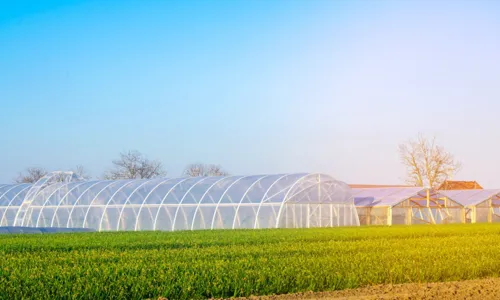
The film is used for strawberries, for vegetables such as lettuce, courgette, cucumber, tomato and pepper, and for cucurbit crops, among others. The two widths of 1.00 m and 1.20 m are matched to the most common cultivation systems.
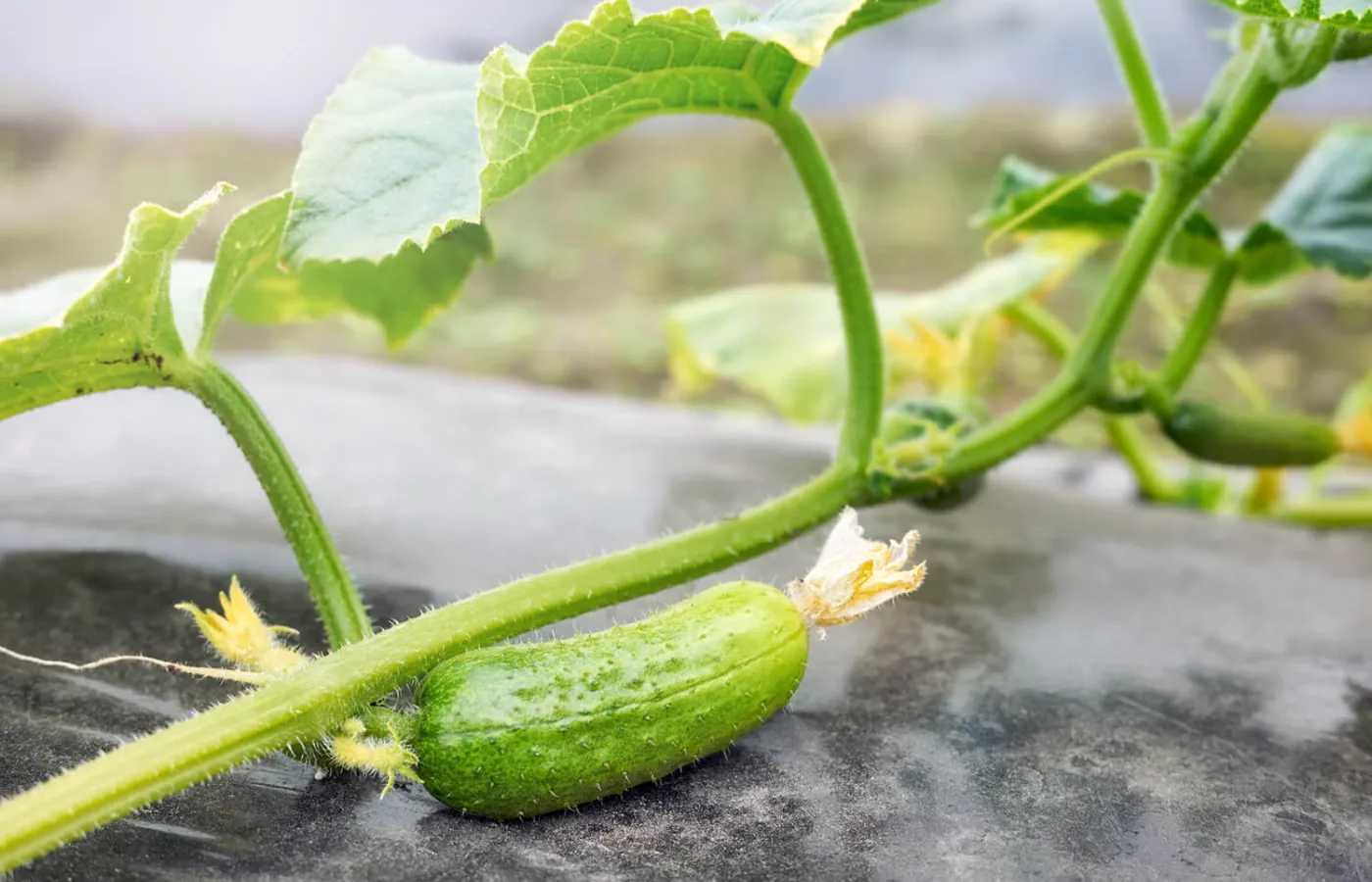
The film proves itself on small farms as well as in large-scale commercial production. Organic farms should clear its use in advance with their control body or association.
By default we only store technically necessary settings in your browser. Only with your consent do we recognise repeat visits across several days anonymously (statistics) and load external maps (Google Maps). More in the privacy policy
Choose which categories you want to allow. Technically necessary settings are always on.